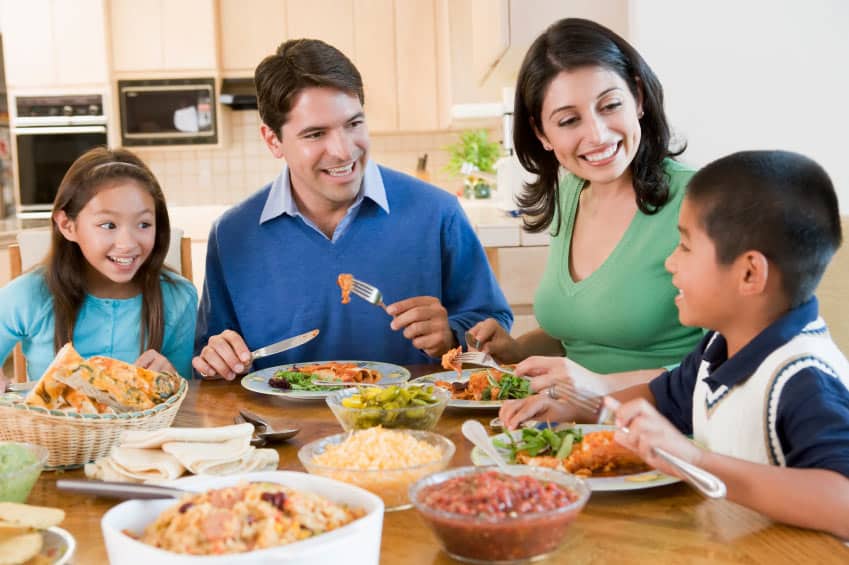
In a world of packed schedules, after-school activities, work emails, and endless notifications, the simple act of sitting down for dinner as a family has become a rarity for many households. And yet, the dinner table has long been a place of connection, comfort, and memory-making — a daily ritual that strengthens relationships and helps children feel grounded in something bigger than themselves.
Making family dinner special again doesn’t require a gourmet meal, fancy décor, or hours of preparation. What it does require is intention. It’s about carving out time to slow down, connect, and share life together — even if just for 20 minutes.
Whether your family eats together every night or struggles to gather once a week, this guide will help you make the most of those moments — turning dinner into something your kids will actually look forward to.
Why Family Dinner Matters More Than Ever
Studies have consistently shown that families who eat together regularly enjoy a host of benefits. Children who grow up with consistent family dinners tend to have higher self-esteem, better academic performance, lower rates of anxiety and depression, and even healthier eating habits.
But the real magic of family dinner isn’t just about nutrition or grades. It’s about belonging. When a child knows there’s a place for them at the table — a time each day when their voice is heard — they feel safe, seen, and supported.
In a time when kids and parents alike are pulled in countless directions, the dinner table can be an anchor.
Set the Scene (But Keep It Simple)
Creating a welcoming environment doesn’t mean breaking out the fine china. It’s about signaling to your family — and yourself — that this time matters.
- Dim the lights or light a candle
- Turn off the TV
- Put phones in a basket or another room
- Use a simple tablecloth or small centerpiece
Involve your kids in setting the table or picking music for the background. When children help create the mood, they take more ownership of the experience.
This doesn’t need to happen every night. But once or twice a week, try creating a little extra warmth — and see how it shifts the energy.
Keep Meals Real and Doable
One of the biggest barriers to family dinners is the pressure to cook a “real” meal. But family dinner isn’t about what’s on the plate — it’s about who’s around it.
Taco night, sandwich platters, even store-bought rotisserie chicken with bagged salad all count. The goal isn’t perfection — it’s presence.
Try a rotating weekly meal theme:
- Mondays: Pasta Night
- Tuesdays: Breakfast for Dinner
- Wednesdays: Build-Your-Own Bowls
- Thursdays: Leftovers & Board Games
- Fridays: Pizza & Movie Night
Having a predictable rhythm eliminates decision fatigue and gives kids something to look forward to. Plus, it creates built-in traditions over time.
Get Kids Involved
Children are much more likely to engage with dinner — and even try new foods — if they’ve helped in some way.
Start with small tasks:
- Stirring sauce or assembling tacos
- Choosing vegetables at the grocery store
- Setting the table or folding napkins
- Picking a recipe from a family-friendly cookbook (include affiliate link)
For older kids and teens, assign them a night to cook or co-lead dinner. Even if the result is messy, the ownership will go a long way.
Make Conversation a Priority
The heart of family dinner is connection. But after a long day, conversations can fizzle out.
Try using prompts or games:
- “Two Truths and a Lie”
- “Would You Rather?”
- “Conversation jar” with paper slips
Sample questions to get started:
- What was the best part of your day?
- What’s one thing that made you laugh today?
- If you could switch lives with someone for a day, who would it be?
- What’s one thing you’re grateful for right now?
Embrace the Chaos
Let’s be honest — some nights, dinner will be loud, messy, and full of sibling arguments or toddler spills. That’s okay.
Not every meal needs to be magical. What matters is showing up anyway. Children remember the consistency, not the perfection.
If your family is having a tough night, name it: “We’re all a little tired today, but I’m glad we’re here together.”
Create Traditions Around the Table
Family rituals don’t have to be elaborate. The most memorable ones are often the simplest.
- Sunday dinners with a special dessert
- Friday night “funny story” night
- A birthday crown or plate for whoever is celebrating
- Rotating “chef’s helper” each week
These touches make dinner feel like celebration — not just obligation.
What If You Can’t Do Dinner?
For some families, dinner may not be possible due to work or other obligations. That’s okay. The goal is connection, not timing.
Try creating the same connection during:
- Weekend breakfasts
- After-school snacks at the counter
- Bedtime chats over tea or toast
- Sunday baking sessions
Any time can be “family table” time — it’s about being present, not perfect.
Final Thoughts
Making family dinner special again isn’t about food, décor, or even broccoli. It’s about rhythm, presence, and love.
In a noisy world, family dinner is a chance to listen.
In a rushed world, it’s a chance to pause.
In a disconnected world, it’s a chance to belong.
Whether it’s three nights a week or just Sundays, those shared moments around the table add up. Over the years, they become memories your children carry with them — into their own homes, their own future families.
So light the candle, pour the lemonade, and call everyone to the table. It doesn’t have to be perfect. It just has to be yours.