Raising Wild Hearts: The Power of Nature Play in Childhood
In today’s digitally connected, indoor-oriented world, it’s easy to forget the simple magic of mud pies, tree climbing, and barefoot adventures. But ask any parent who’s watched their child run through a meadow, balance on a log, or collect rocks by a stream — there’s something undeniably powerful about kids in nature.
Nature play isn’t just a pleasant pastime. It’s an essential, science-backed way to support your child’s development — physically, emotionally, cognitively, and socially. As outdoor parenting gains traction, more families are rediscovering how time in the natural world nurtures curiosity, resilience, and joy.
Whether you live near a forest or in an apartment with a city park nearby, you can create opportunities for meaningful outdoor play that will leave a lasting imprint on your child’s mind and spirit.
Why Nature Play Matters
Unlike structured activities or screen-based entertainment, nature play gives children unfiltered freedom. It offers open-ended exploration, unhurried time, and countless opportunities to experiment and discover. A stick becomes a wand, a sword, a fishing pole. A pile of leaves becomes a mountain or a bed for forest fairies. This kind of imaginative engagement is the foundation of lifelong learning.
But nature play also offers more than imagination. It grounds children in their senses. It sharpens their balance and coordination. It helps them take risks and solve problems. Most importantly, it helps them slow down and be — not perform.
For parents, outdoor time is often just as transformative. You don’t have to entertain or correct every moment. You can step back, breathe deeply, and watch your child bloom in a space that invites freedom rather than perfection.
Physical Benefits: Building Stronger Bodies the Natural Way
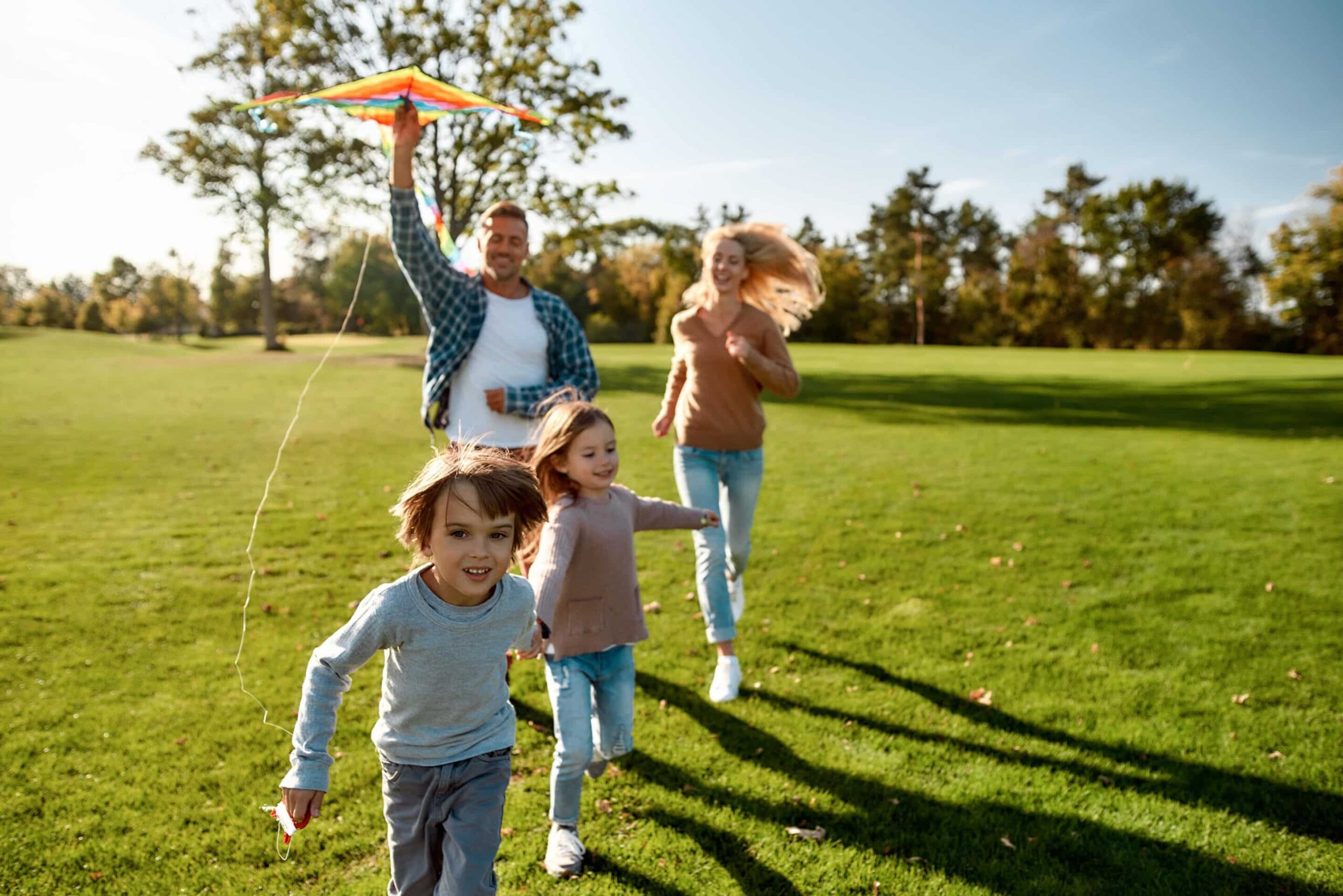
Children need movement to thrive and nature invites movement in every direction. From running up hills to climbing trees and hopping over streams, outdoor play engages every muscle group in a way no screen ever can.
Natural surfaces are uneven, which improves balance and coordination. Jumping from rocks or balancing on logs helps build core strength and spatial awareness. Even digging in the dirt strengthens fingers and hands, laying the groundwork for fine motor skills used in writing and daily tasks.
Exposure to sunlight boosts vitamin D, which supports bone development and immune function. And let’s not forget the impact of fresh air — often a powerful antidote to the congestion, restlessness, and fatigue that come from staying indoors too long.
Outdoor parenting doesn’t require a gym membership or a sports team — just the willingness to get outside and let your kids move the way their bodies are built to.
Mental and Emotional Benefits: Calm Minds, Resilient Spirits
Nature has a calming effect on children (and adults). Studies have shown that time spent outdoors reduces symptoms of anxiety, stress, and even ADHD. Green spaces help regulate the nervous system and improve mood.
Children who play in nature also learn to manage emotions more effectively. When they get wet, scrape a knee, or lose a favorite stick, they face real emotions in a safe, low-stakes environment. Over time, this builds emotional resilience.
Parents often notice that tantrums decrease, creativity increases, and transitions become smoother after outdoor play. A child who just spent an hour building a “beaver dam” in a stream is far more grounded and focused than one who’s been overstimulated by screens.
Nature’s rhythms the way the wind rustles leaves, the clouds drift by, or the seasons shift — teach kids to move at a more humane pace. That’s a gift in today’s rushed, performance-driven culture.
Cognitive Growth: Outdoor Classrooms Are Everywhere
You don’t need worksheets or apps to help your child learn. Nature offers all the stimulation their growing brain could ask for.
Every puddle is a science experiment. Every trail is a lesson in mapping and direction. Every insect prompts questions about biology and ecosystems.
When kids engage with nature, they ask more questions, make more connections, and solve more problems. They learn how gravity works when a rock rolls downhill. They test physics when they build a dam or a shelter. They use math when they count acorns, compare footprints, or measure how far they can jump.
This kind of hands-on, curiosity-led learning builds a love for discovery that no classroom alone can match.
Social and Emotional Skills: Collaborate, Negotiate, Create
Outdoor play often brings children together in more natural, collaborative ways. There’s less structure, which means they have to negotiate roles, invent games, and solve conflicts themselves.
A group of kids building a fort in the woods quickly learns the value of teamwork. They divide roles — some gather sticks, others find rope, someone takes charge of the design. If someone disagrees or leaves, they figure out how to adapt.
These moments build essential life skills: cooperation, compromise, leadership, and empathy. They also teach kids to be okay with setbacks — when the fort collapses, the game ends, or the stick breaks. Nature is unpredictable, and that unpredictability helps children become flexible and emotionally agile.
Nature Teaches Risk and Responsibility
In nature, kids learn to evaluate risk in a way that helps them grow — not fear. Is that branch strong enough to hold my weight? Can I balance on this log without falling? How far can I wade into the creek before my boots fill?
These choices help build good judgment and confidence. Parents often worry about safety, but supervised risk is not only safe — it’s essential. Children who never take risks don’t learn how to manage fear, failure, or success.
Outdoor parenting gives kids a taste of responsibility in a way that feels fun. They learn to take care of their environment, follow trail rules, and watch out for younger siblings. Over time, they develop a deeper respect for the world and their place in it.
You Don’t Need Wilderness Just Outside
Many parents think they need access to forests or mountains to experience nature play. But you don’t have to live near a national park to get the benefits.
A city park, a community garden, even a backyard patch of dirt or a balcony full of plants can provide opportunities for outdoor learning. Let your child dig, plant, jump in puddles, or simply observe ants carrying crumbs across a sidewalk.
You can create a “nature shelf” at home with pinecones, feathers, leaves, and rocks you collect together. Or take regular “nature walks” where you slow down and notice what’s blooming, changing, or moving.
What matters most isn’t the location — it’s the attitude. Nature play begins with your willingness to step outside and let the world lead.
Final Thoughts: Rediscovering Wonder Through Outdoor Parenting
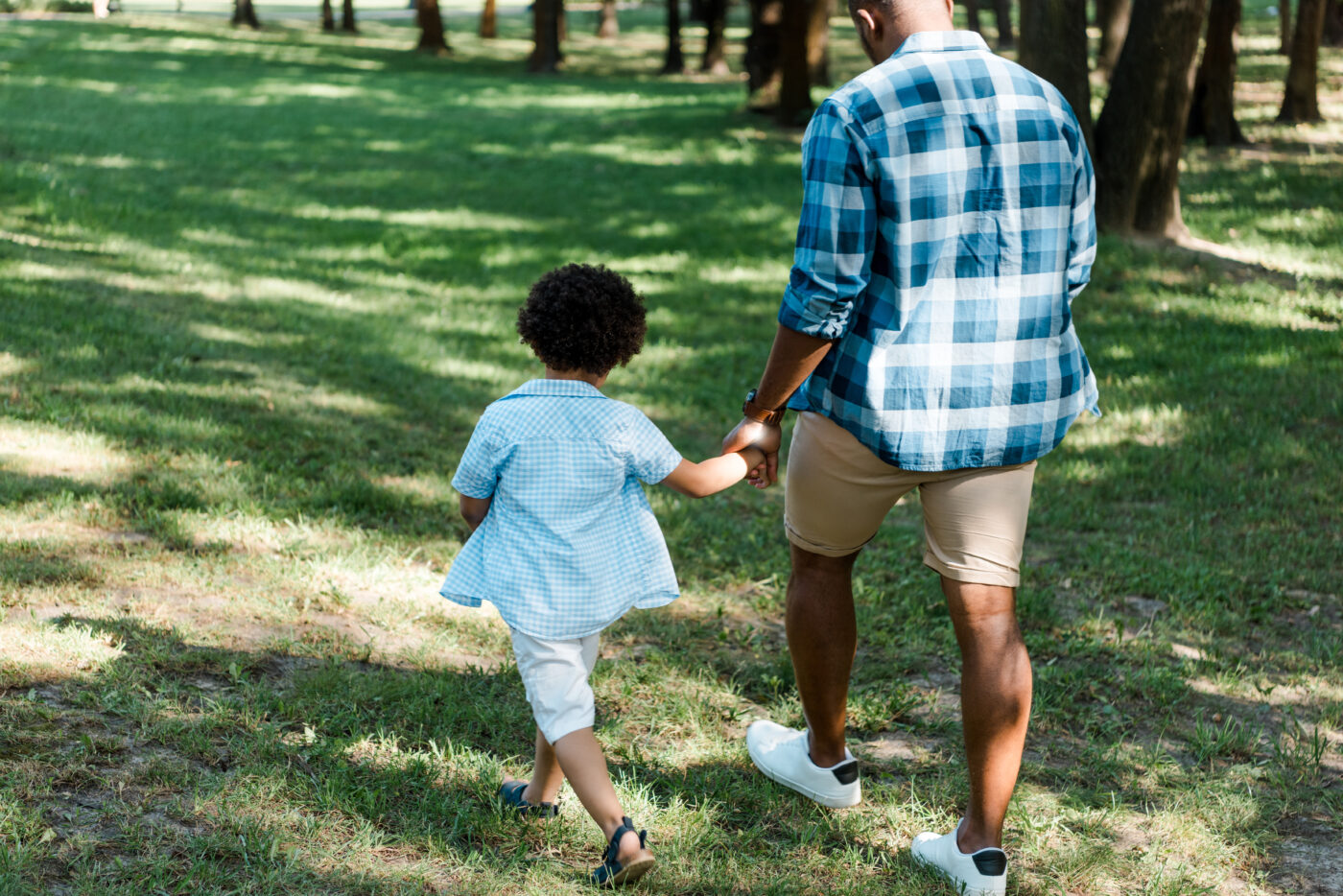
Raising kids with regular access to nature doesn’t just benefit them — it transforms you too. It invites you to slow down, to be present, and to rediscover the joy of dirt under your nails and wind in your hair.
When you choose outdoor parenting, even in small doses, you’re choosing presence over perfection, connection over control, and wonder over routine. You’re giving your child not just a playground, but a world — one they can explore, respect, and fall in love with.
So lace up the boots. Pack a snack. Head out the door. There’s a whole world waiting — and your child is ready to meet it.