Parenting often comes with difficult moments — the defiance, the tantrums, the refusal to follow rules. When a child acts out, many parents instinctively respond with punishment. But while punishment might stop behavior in the moment, it rarely creates lasting change.
That’s where positive discipline comes in.
Unlike punishment, which often relies on fear, guilt, or shame, positive discipline focuses on teaching. It’s about guiding children toward better behavior through respect, empathy, and connection — all while maintaining clear, firm boundaries.
In this article, we’ll explore how you can use positive discipline to correct behavior without yelling, grounding, or threatening. Not only will it improve your child’s behavior over time — it will strengthen your relationship with them along the way.
Why Positive Discipline Works
Traditional punishment-based discipline often creates short-term obedience but long-term disconnection. Children might behave to avoid a consequence, but they don’t learn the why behind the behavior. Worse, they may feel resentful or ashamed.
Positive discipline teaches instead of punishes. It shows children what to do differently, helps them understand the impact of their actions, and builds internal motivation to behave well — not just to avoid getting in trouble.
The goal isn’t just to stop misbehavior; it’s to develop lifelong skills like problem-solving, emotional regulation, empathy, and accountability.
Punishment vs. Discipline: What’s the Difference?
Understanding the distinction is important.
Punishment focuses on making a child suffer for doing something wrong. It often includes time-outs, yelling, or taking things away — and is usually reactive.
Discipline, on the other hand, is proactive. It involves teaching, guiding, and reinforcing boundaries while treating the child with dignity.
Here’s the key question to ask: Am I trying to hurt or help my child learn right now?
Step 1: Connect First, Then Correct
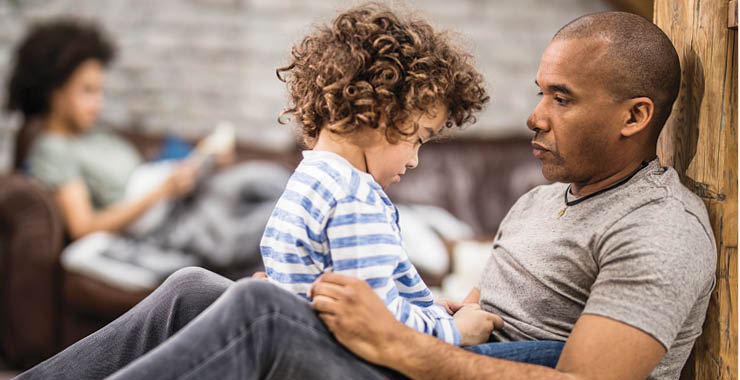
When a child is acting out, they’re usually overwhelmed. Before you can teach, you have to reach — meaning, emotionally connect before you correct behavior.
This might mean pausing your own reaction, getting down to their level, and saying something like, “I can see you’re really upset. Let’s figure this out together.”
Children are far more receptive to guidance when they feel seen and safe. A calm, regulated adult helps a dysregulated child return to center.
Step 2: Get Curious About the Behavior
Misbehavior is often a signal, not a personal attack. Kids act out for a reason — stress, hunger, fatigue, lack of skills, or even a need for connection.
Instead of jumping straight to consequences, ask yourself:
- Is my child tired or overwhelmed?
- Are they seeking attention or independence?
- Is there a need I’ve overlooked?
When we approach misbehavior with curiosity instead of anger, we uncover the root — and we’re better positioned to teach a meaningful lesson.
Step 3: Set Clear and Consistent Limits
Positive discipline is not permissive parenting. Children need boundaries — but those boundaries should be clear, calm, and consistent.
Instead of saying, “Stop that right now!” try, “We use gentle hands when we play. If you can’t be gentle, we’ll need to take a break.”
The limit remains firm, but the tone is respectful. And consistency matters — if a rule is enforced one day but ignored the next, children will naturally test how far they can push it.
Step 4: Use Natural and Logical Consequences
Rather than punishments, offer consequences that directly connect to the behavior. This helps children understand cause and effect.
- If a child refuses to wear their coat, they may feel cold (natural consequence).
- If they draw on the wall, they help clean it up (logical consequence).
- If toys are thrown, playtime ends for a while (logical and appropriate).
The key is to stay calm, neutral, and empathetic — not punitive or angry. “I know you love playing, and I also know throwing toys isn’t safe. Let’s try again later.”
Step 5: Teach Skills and Alternatives
Children often misbehave because they don’t yet have the skills to handle a situation. Instead of saying “don’t hit,” teach them what to do instead.
- “I’m mad, and I need space.”
- “Can I have a turn when you’re done?”
- “I need help.”
Role-playing, reading books about emotions, and talking through situations can help your child build these tools over time. The more language and strategies they have, the less likely they are to lash out.
Step 6: Create a Calm-Down Plan
Rather than sending a child to “time out,” consider creating a “calm down” space — a place where your child can go to feel safe and regroup.
Fill it with calming tools like pillows, stuffed animals, books, or a sensory bottle. Use it proactively, not as a punishment.
Say something like, “Looks like you’re having a tough time. Would you like to go to your calm spot until you’re ready?”
Teaching your child to self-soothe is a powerful lifelong skill — one that starts with feeling supported, not shamed.
Step 7: Repair and Reconnect After Conflict
After a tough moment, don’t just move on — take time to reconnect. This helps your child learn that relationships can recover and mistakes are part of learning.
Use simple reflection: “What happened earlier? What could we try next time?”
If needed, model an apology: “I got frustrated and raised my voice. I’m sorry. Let’s try again together.”
Repair restores trust, teaches accountability, and models what it means to take ownership — something far more effective than a lecture or punishment.
Step 8: Reinforce Positive Behavior
Discipline shouldn’t only focus on what your child shouldn’t do — it should highlight what they’re doing right.
- “I saw you waiting your turn — that was patient.”
- “You used your words instead of yelling. That’s hard, and you did it.”
- “Thanks for picking up without being asked. That shows responsibility.”
This type of reinforcement helps children develop intrinsic motivation and encourages them to repeat positive behavior.
Final Thoughts
Positive discipline doesn’t mean letting kids get away with everything — it means guiding them with respect, clarity, and empathy. It’s a long game. It takes patience and consistency. But the results are powerful.
Children raised with positive discipline grow into adults who understand boundaries, express emotions constructively, and take responsibility for their actions. And perhaps most importantly, they carry with them a strong, trusting bond with the people who raised them.
So the next time your child acts out, pause before reacting. Look beyond the behavior. Connect, guide, and teach. Because parenting isn’t about perfect control — it’s about loving leadership.