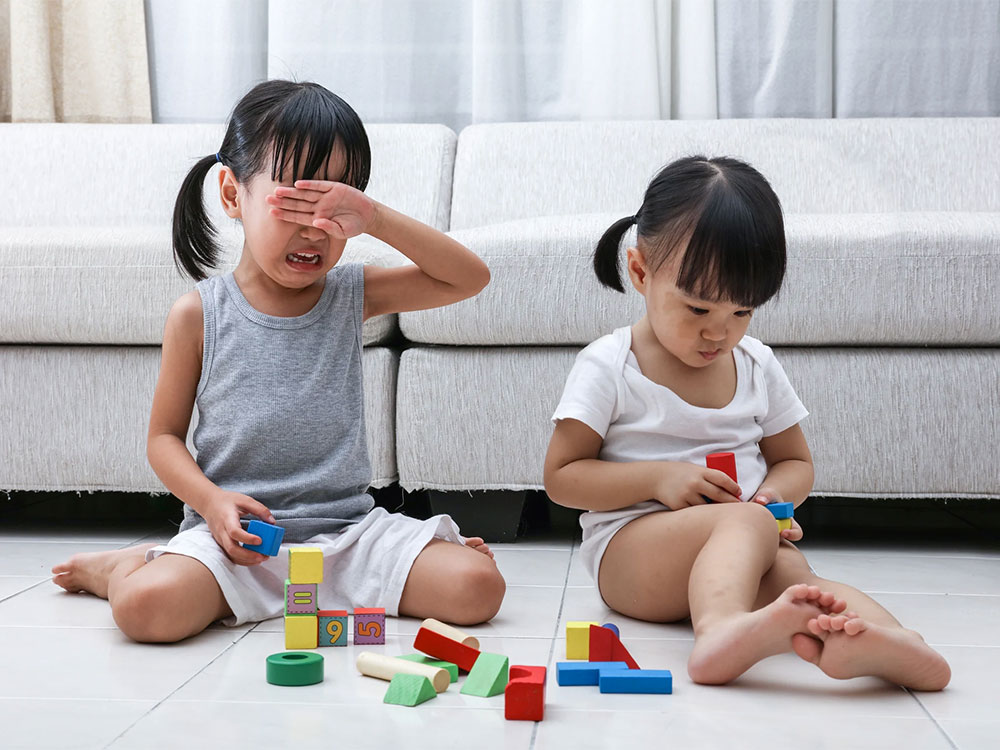
If you’re a parent, you’ve probably asked yourself at least once: Why do my kids argue about everything? Whether it’s who sits where, who got more juice, or who touched whose toy — sibling fights are exhausting. But here’s the thing: sibling rivalry is normal. Still, just because it’s common doesn’t mean it has to take over your home.
In fact, those squabbles can actually become opportunities — moments to teach conflict resolution, empathy, and ultimately, help siblings build a lifelong bond. It’s not about eliminating every argument, but rather guiding your children to fight fair, make up fast, and grow closer through it all.
So let’s dig into practical, real-life ways you can stop sibling fights and create a more peaceful — and connected — home.
Understanding the Root of Sibling Rivalry
Sibling fights usually aren’t about the toy, the TV show, or the cookie. More often, they’re about underlying needs: attention, power, fairness, or feeling secure in their place in the family.
Children compare constantly — who gets more praise, more privileges, or more hugs. If one child feels overlooked or “less than,” that insecurity can come out as anger toward their sibling.
Understanding the emotional roots behind the bickering is the first step toward changing it. When you see a conflict brewing, ask yourself: Is this really about the object — or is one of my kids feeling disconnected or unseen?
Step One: Don’t Rush to Play Referee
It’s tempting to jump in and decide who’s right and who’s wrong — especially when the yelling starts. But acting as a referee often backfires. It teaches kids to run to you to solve their problems and may even encourage tattling.
Instead, try stepping in as a coach, not a judge. Your job is to help them understand the conflict, express their feelings, and find their own solutions. This builds communication skills and accountability.
You can say something like, “I hear you’re both upset. Let’s figure this out together. Can each of you tell me what happened — without interrupting?”
Over time, kids learn they’re capable of resolving conflict — a skill that serves them well into adulthood.
Step Two: Teach Emotional Language
Most sibling fights start because a child feels something they can’t name — jealousy, frustration, or fear — and expresses it through lashing out. That’s why building emotional literacy is crucial.
Help your kids learn to name their emotions. Use statements like:
- “You seem frustrated because he knocked over your blocks.”
- “It looks like you’re feeling left out. Is that right?”
- “Are you mad that she got to choose the game again?”
The more your children can recognize their own feelings and needs, the less likely they are to explode — and the more likely they’ll use words instead of fists.
Step Three: Establish Clear Family Rules About Conflict
Kids need to know what’s okay and what’s not — and the earlier you establish family conflict rules, the easier it becomes to manage sibling squabbles.
- No hitting, name-calling, or threats.
- Take turns talking.
- Use a calm voice (or take space if too upset to talk).
Make these rules visible — on a poster, chalkboard, or whiteboard. Review them regularly, and use them as a neutral reference during arguments. Instead of saying “Don’t yell,” you can point to the rule and say, “Let’s follow our calm voices rule.”
Consistency helps kids internalize boundaries and makes you the guide — not the enforcer.
Step Four: Avoid Labels and Comparisons
Comments like “Why can’t you be more like your sister?” or “He’s the calm one” may seem harmless, but they can fuel resentment and reinforce unhealthy dynamics between siblings.
Instead, treat each child as a unique individual with their own strengths. Praise effort over identity. Say, “I saw you worked really hard to calm down” instead of “You’re always the peacemaker.”
And when possible, celebrate them as a team — “You two cleaned up together so quickly!” or “That was great teamwork building the LEGO tower!”
This encourages unity and mutual respect rather than rivalry.
Step Five: Give Each Child One-on-One Time
Much of sibling rivalry is driven by a child’s need for attention. When kids feel they must compete for your approval or affection, resentment builds — and it often gets directed at their sibling.
Carve out one-on-one time with each child, even if it’s just 10 minutes a day. During that time, let them choose the activity and be fully present. No multitasking, no phones.
This sends the message: You matter to me. I see you.
Even short, consistent moments of focused connection can dramatically reduce sibling fighting.
Step Six: Encourage Cooperation, Not Competition
Create opportunities for your kids to work with each other, not against each other. Cooperation builds positive interactions and helps siblings associate time together with success and fun — rather than conflict.
- Team chores (e.g., “You dry while she washes”)
- Family games where they’re on the same team
- Creative projects (building, crafting, cooking)
Also, reward teamwork with positive attention: “I saw you helped your brother find his shoe — that was kind,” or “You both shared the trampoline without arguing. That’s real growth.”
Step Seven: Stay Calm During the Storm
Let’s be honest — sibling fights can push every button you have. But your ability to remain calm is the most powerful tool you have. If you yell, scold, or threaten during every argument, you reinforce the chaos.
When tensions rise, take a deep breath. Speak slowly. Use fewer words. If necessary, separate your kids for a brief reset — not as punishment, but as a way to prevent escalation.
Say something like, “I see you’re both very upset. Let’s take a few minutes to cool off before we talk more.” This models emotional regulation and shows that taking space is okay.
Step Eight: Repair and Reconnect
The goal isn’t a conflict-free home — it’s a home where conflict leads to repair. After a fight, help your children reflect on what happened and what they could do differently next time.
Guide them to apologize when they’re ready, not just because you said so. Teach them that apologies should come with empathy: “I’m sorry I yelled. I was mad, but I didn’t mean to scare you.”
Also, encourage reconnection through positive activities. A shared joke, a game, or a bedtime story together can help rebuild connection after conflict.
Final Thoughts
Sibling fights may never fully disappear, but they can become less frequent, less intense, and far more manageable. When handled with empathy, guidance, and consistency, sibling conflict becomes an opportunity — a chance for kids to learn how to express themselves, listen to others, and repair relationships.
And underneath the squabbles, rolled eyes, and door slams, something beautiful can grow: a strong, lifelong sibling bond built on understanding and love.
As a parent, your role isn’t to prevent every argument, but to shape how your children move through conflict. With time, intention, and patience, you can turn sibling rivalry into sibling respect — and help your kids build a bond that lasts far beyond childhood.