How to Foster Independent Play at Home (Without Guilt or Screens)
Independent play isn’t just about giving parents a break — though that’s certainly a welcome bonus. It’s about giving children the space they need to explore, imagine, and create without constant direction or input.
When kids learn to play independently, they develop problem-solving skills, creativity, self-confidence, and even emotional resilience. It’s a powerful tool for development — and one that benefits both child and parent.
In a world where entertainment is often on-demand and overstimulating, fostering independent play at home can feel like a challenge. But with a few intentional shifts, it’s absolutely possible — and incredibly rewarding.
Why Independent Play Matters
Independent play gives children the chance to be the leader of their own experience. Instead of being told what to do, they follow their own ideas, make their own decisions, and engage in the purest form of creativity.
Benefits of independent play include:
- Stronger problem-solving skills: Kids learn to try, fail, and try again without someone stepping in immediately.
- Improved focus and attention span: Unstructured time allows deeper engagement with toys and materials.
- Confidence and autonomy: Children discover they are capable of entertaining themselves.
- Enhanced imagination: Free play encourages storytelling, role-play, and building complex worlds.
Most importantly, independent play nurtures a child’s inner world — something screens and over-scheduled routines rarely allow.
Step 1: Start with the Right Expectations
Many parents imagine “independent play” as a child quietly entertaining themselves for an hour while the parent cleans, works, or relaxes. That’s the goal, but not the starting point.
For toddlers, 5–10 minutes of solo play may be a huge win. Preschoolers might build up to 20–30 minutes. The key is to start small, stay consistent, and celebrate growth.
Also, independent play doesn’t mean ignoring your child. It’s about creating a rhythm where they can lead the play while still feeling emotionally secure.
Step 2: Create an Inviting Play Space
Kids are more likely to engage in independent play when their environment invites exploration.
- Keep it safe and child-friendly so supervision can be passive.
- Rotate toys to reduce overwhelm and increase novelty.
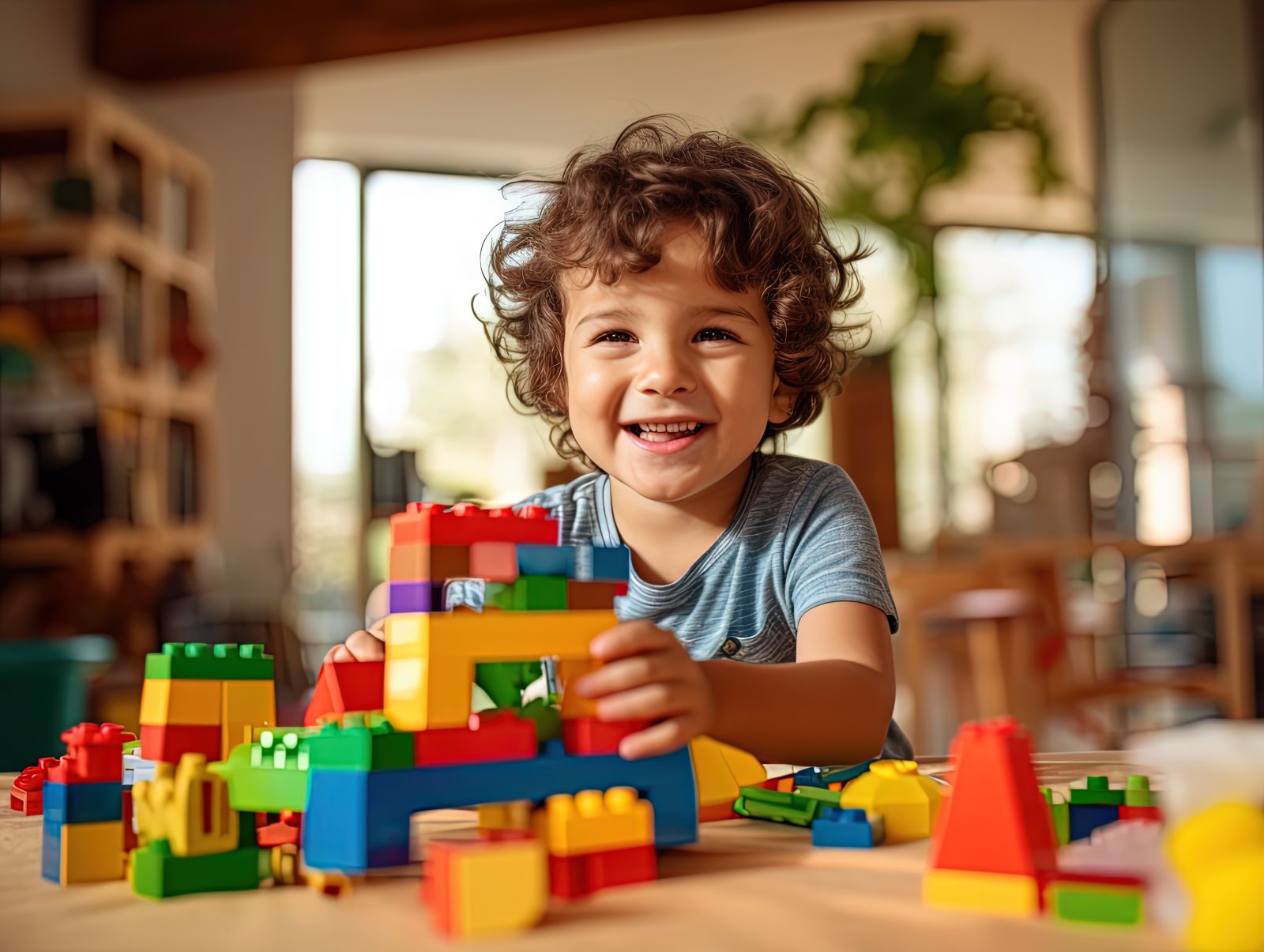
- Include a mix of open-ended materials like blocks, figurines, dress-up clothes, and art supplies.
- Store toys in accessible bins or on low shelves so your child can choose what to play with independently.
- Consider creating “stations” for different play styles — a reading nook, a sensory table, or a building area.
Step 3: Use Open-Ended Toys and Materials
Open-ended toys are the key to sustained, imaginative play. These are toys that can be used in many ways — not just with one “correct” function.
- Wooden blocks or magnetic tiles
- Play silks or fabric scraps
- Dolls and animal figurines
- Play kitchens or tool benches
- Art supplies (crayons, stamps, watercolors)
- Cardboard boxes, paper towel rolls, and other upcycled materials
Pro Tip: Avoid toys that light up, talk, or do too much. The more a toy “does,” the less your child will do with it.
Step 4: Be Present, Then Step Back
Children are more likely to play independently when they feel secure and connected. Ironically, one of the best ways to encourage solo play is to start by playing with them.
- Join them in play for 5–10 minutes.
- Gradually step back or shift your attention elsewhere while staying nearby.
- Use a phrase like, “I’m going to fold some laundry now, but I’ll be right here if you need me.”
Step 5: Avoid Interrupting
Once your child is engaged in independent play, resist the urge to jump in — even to compliment them or ask what they’re doing.
Interruptions can break their focus and signal that adult validation is needed for the play to matter. Instead, observe quietly. If you must speak, try low-interference comments like:
- “You’re working so hard on that.”
- “I see you made a whole zoo!”
Your quiet presence and encouragement help reinforce the idea that their play is valuable even without adult input.
Step 6: Build Independent Play into Your Routine
Like any skill, independent play grows with practice. Make it a predictable part of your day — just like meals or story time.
For example:
- After breakfast: 15 minutes of free play while you tidy the kitchen
- After lunch: quiet solo play time before rest or nap
- Before dinner: independent play while you prep meals
Over time, these routines become familiar, and your child learns when to expect that space — and how to use it creatively.
Step 7: Manage the “I’m Bored” Moments
Independent play takes effort, especially at first. Your child might complain, whine, or say, “I’m bored.” That’s okay.
Instead of rushing to entertain, try one of the following:
- Redirect: “Sometimes being bored is how new ideas start. Let’s look around and see what you might try.”
- Suggest a starting point: “I wonder what would happen if those blocks became a house?”
- Use a boredom jar: Fill it with activity ideas they can choose from.
Step 8: Celebrate, Reflect, and Encourage
At the end of playtime, take a moment to reflect with your child:
- “What did you build today?”
- “What part was your favorite?”
- “Did anything surprise you?”
This helps your child process the experience, builds storytelling skills, and reinforces that their independent efforts are meaningful.
Avoid praise that focuses only on the result (“Great tower!”) and try acknowledging the process: “You stayed focused a long time — that shows real concentration.”
Final Thoughts
Independent play is more than a way to keep kids busy — it’s a foundation for lifelong creativity, self-direction, and confidence. When children are given the space to explore on their own terms, they grow in ways that structured activities simply can’t replicate.
And for parents? Independent play offers moments of peace, space to recharge, and the joy of watching your child blossom in their own world — no screens, no schedules, just pure, imaginative growth.
The key is patience. Start small, stay consistent, and trust the process. Your child’s ability to play independently will grow — and so will their sense of self.